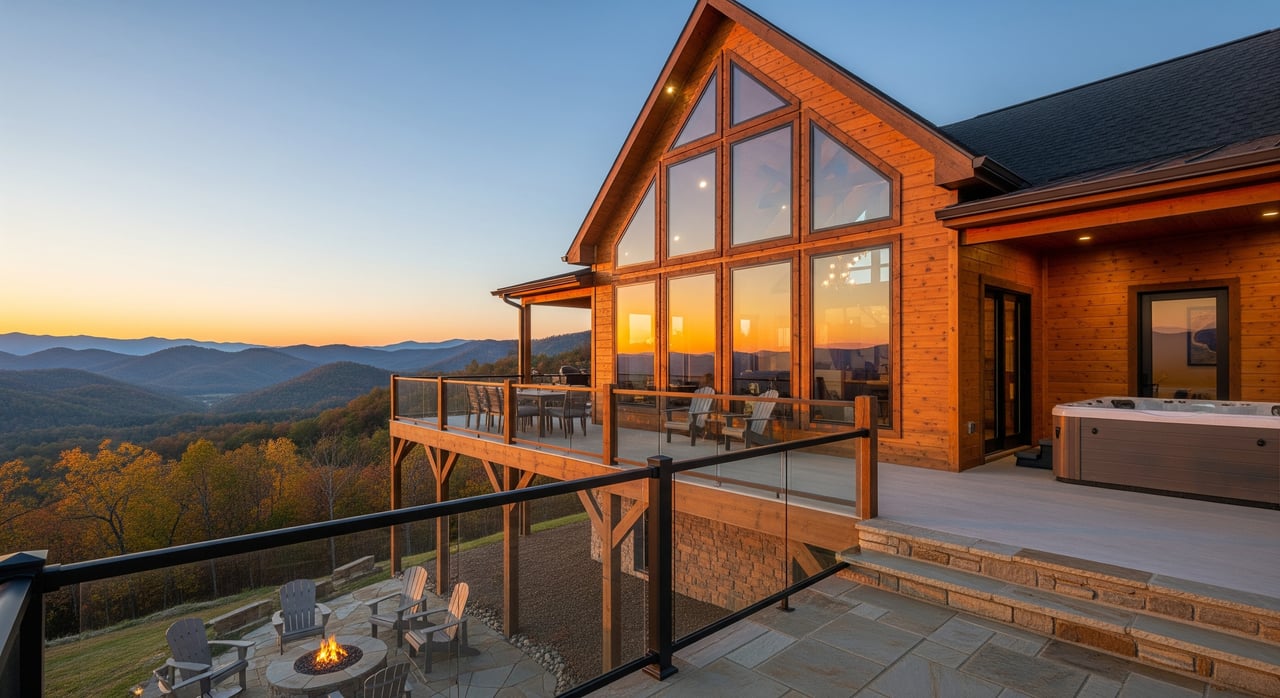
Gatlinburg vs Pigeon Forge STRs: Choosing Your Market
December 18, 2025
December 18, 2025
Trying to decide whether Gatlinburg, Pigeon Forge, or Sevierville is the smarter spot for your next Smokies short‑term rental? You are not alone. Each town draws a different guest profile, rewards different amenities, and follows its own pricing and seasonality patterns. In this guide, you will learn how the three submarkets compare and how to match your property type and operating model to the demand. Let’s dive in.
The Great Smoky Mountains National Park is the region’s dominant demand engine. It is the most visited national park in the country and sets the rhythm for spring through fall peaks, strong summer weekends, and a busy fall leaf season. Dollywood, the Pigeon Forge Parkway attractions, Gatlinburg’s downtown and trailhead access, and Sevierville’s outlets and retail nodes layer on top of that base to create distinct trip purposes.
The guest base is largely drive‑market, with a big share arriving by car from the Southeast and Midwest. Air access through Knoxville’s airport supports additional demand, but parking and vehicle capacity remain important across all three towns. Weekends typically outperform weekdays on both ADR and occupancy, especially near attractions. Late winter and shoulder periods tend to soften, so pricing discipline and minimum‑stay strategy matter.
Gatlinburg’s draw is proximity to national park trailheads, a walkable downtown, and mountain‑town ambiance. You see a higher share of condos and small cabins near the strip, plus some premium park‑view homes in constrained, topography‑limited zones. Limited land keeps supply tight around the core, which can support higher nightly rates for walkable or view‑forward listings.
Performance favors properties with mountain views, private hot tubs, fireplaces, and true walkability to dining and shops. Shorter weekend stays are common in central condos, while cabins set back from the strip often host families for multi‑night trips. Expect tighter parking, HOA rules in condo buildings, and faster guest turnover that increases cleaning costs.
Pigeon Forge centers on family entertainment anchored by Dollywood and the Parkway’s shows, go‑karts, and dinner theaters. The supply mix skews toward purpose‑built cabins and larger multi‑bedroom homes, with condo‑hotel stock closer to the Parkway. Newer inventory has followed family group demand in recent years.
Weekend occupancy is typically very strong, and large cabins with game rooms, home theaters, ample parking, and multiple bedrooms command healthy group ADRs. The tradeoff is price sensitivity midweek and during shoulder months, when packages, multi‑night discounts, or attraction bundles can help conversions. Wear and tear trends higher given kid‑heavy bookings and quick turns in peak season.
Sevierville offers value and elbow room. With easier highway access and more available land, you find a higher share of detached cabins on larger lots, plus new‑build developments suited to groups. Acquisition costs are often lower than walkable Gatlinburg or the very best Parkway locations, which can produce attractive cash‑on‑cash yields when paired with the right amenity mix.
Guests here look for privacy, large outdoor spaces, pet‑friendly listings, and big game rooms. Proximity to I‑40 can draw longer stays and guests who want easy access to both Pigeon Forge and Gatlinburg without Parkway congestion. Operations lean more owner‑service intensive due to rural access, septic systems, and longer drive times, but on‑site parking and space are less of a headache.
Below is a practical way to compare a similar 3‑bedroom cabin across the three markets. Use it as a checklist when you pull comps and underwrite.
To compare submarkets accurately, pull 12 to 36 months of data for your target property type from a reputable STR data provider. Focus on the following:
Core performance
Supply and demand context
Product and guest fit
Pricing and elasticity
Municipal rules differ across Gatlinburg, Pigeon Forge, and Sevierville. Before you offer, confirm current STR ordinances, permits, business licenses, sales and transient occupancy tax requirements, occupancy limits, parking rules, and any HOA restrictions. Enforcement may be tighter in high‑traffic areas and downtown cores, so factor compliance into underwriting.
Operational costs vary with utilities, septic versus sewer, road maintenance, and mountain access. Larger cabins carry higher cleaning and utility loads. Track supply concentration risks near the Parkway and in downtown Gatlinburg, as high density can increase price competition. Keep an eye on new development pipelines and external shocks like attraction closures or wildfire impacts.
Define your target archetype: condo or 3 to 6 bedroom cabin, desired amenities, and budget range.
Pull 12 to 36 months of ADR, occupancy, and RevPAR for comps in each town by bedroom count and proximity band.
Map active listings within 0 to 1 mile and 1 to 3 miles of key anchors like the Parkway or park boundary.
Check municipal STR requirements: permits, licenses, parking and occupancy rules, and HOA or condo policies.
Quantify amenity premiums by comparing similar comps with and without hot tubs, views, game rooms, pools, and pet‑friendly setups.
Model three cash flow scenarios for the next 1 to 3 years: base, optimistic, and conservative with maintenance reserves and capex for hot tubs and game gear.
Line up local operations: cleaners, maintenance, plow services, and a manager with experience in your specific submarket and property type.
Choosing the right town is half the battle. The other half is matching your property, amenities, and pricing strategy to the guest base and calendar. If you want investor‑grade underwriting paired with local, boots‑on‑the‑ground guidance, connect with Madeline Blom. You will get data‑driven advice, bilingual service, and tenacious representation so you can buy with confidence. Schedule Your Consultation.
Stay up to date on the latest real estate trends.

Real Estate
Discover Key Trends and Insights in Maryville's Housing Market
From finding your dream home to selling your home, I'm here to help you along the way. Contact me today!
Work With Madeline